Introduction
In today's digital age, innovation plays a crucial role in the management of various aspects of our lives. One area where innovation has revealed amazing potential is in the management of Internally Displaced Individuals (IDPs). The plight of IDPs frequently emerges from dispute, natural disasters, or systemic discrimination, causing substantial obstacles in supplying them with necessary support. This article checks out how innovative technologies can assist resolve these difficulties, streamline procedures, and enhance the total management of IDPs.
Utilizing Innovation To Handle IDPs
The management of IDPs requires robust structures that can adapt to their evolving requirements. Utilizing technology to handle IDPs allows companies and governments to respond more effectively by leveraging data analytics, mobile applications, and blockchain technology. Through these tools, stakeholders can provide better services, track displacement trends, and improve interaction with affected populations.
1. Comprehending the Principle of IDPs
Internally Displaced Persons (IDPs) refer to people who have been forced to leave their homes but remain within their nation's borders. Unlike refugees who cross global limits, IDPs deal with special challenges associated with legal securities and access to help. Comprehending these dynamics is important for effective management.
1.1 The Causes of Internal Displacement
Internal displacement can originate from numerous factors:
- Armed Conflict: Ongoing wars or civil discontent lead lots of people to leave their homes. Natural Catastrophes: Earthquakes, floods, and other disasters force neighborhoods to evacuate. Development Tasks: Facilities projects may displace populations without appropriate payment or resettlement plans.
1.2 The Impact of Internal Displacement on Communities
The results on displaced individuals are extensive:
- Loss of Livelihoods: Lots of lose their jobs and means of support. Psychological Injury: The experience of displacement can lead to mental health issues. Social Fragmentation: Communities may end up being fragmented as families are separated.
2. Existing Difficulties in Handling IDPs
Managing IDP populations presents numerous challenges for federal governments and humanitarian companies:
2.1 Absence of Accurate Data
Without precise information about the number and location of IDPs, it ends up being hard to designate resources effectively.
2.2 Inadequate Interaction Channels
Many displaced individuals lack access to trusted details regarding available support services or safe areas.
2.3 Coordination Amongst Stakeholders
Multiple companies typically work independently; coordination is important for effective action efforts.
3. Function of Technology in Addressing Challenges
Technology provides services that can assist conquer these hurdles:
3.1 Information Analytics for Better Decision-Making
By making use of data analytics platforms, companies can examine patterns in displacement patterns, assisting them make informed decisions about resource allocation.
3.2 Mobile Applications for Real-Time Information Sharing
Mobile apps can facilitate communication between displaced persons and aid companies-- supplying updates on available resources or safe locations.
3.3 Blockchain Innovation for Transparency
Blockchain technology fosters transparency by firmly tape-recording deals associated with assist circulation-- ensuring that resources reach those who need them most.
4. Case Studies Demonstrating Reliable Use of Technology
Several efforts worldwide showcase how innovation has effectively managed IDP crises:
4.1 The United Nations' Use of Geographic Details Systems (GIS)
The UN uses GIS technology to map displacement patterns properly; this help in planning interventions efficiently.
4.2 The Role of Social Network Platforms in Crisis Communication
Social media has actually proven important for real-time updates throughout crises-- assisting agencies communicate rapidly with affected populations.
5. Methods for Implementing Technology Solutions
To successfully use innovation in managing IDP scenarios:
5.1 Engaging Resident Communities
Local neighborhoods must be involved in establishing tech options; they understand their needs best.
5.2 Ensuring Accessibility
Ensuring that technological services are available to all sections of the population is important-- consider language barriers and literacy levels.
6. Future Trends in Technological Solutions for Managing IDPs
As we look ahead:
6.1 Expert system (AI) Enhancements
AI might further improve predictive analytics regarding displacement patterns-- helping companies anticipate crises before they escalate.
6.2 Increased Cooperation Across Borders
Global cooperation could cause shared databases and resources that enhance actions across areas experiencing comparable challenges.
7. Conclusion: A Require Ingenious Approaches
The management of Internally Displaced Persons requires a multi-faceted approach incorporating sophisticated technological options tailored specifically for their requirements-- making it important for federal governments and organizations alike to invest time and resources into these innovations.
FAQs
Q1: What ought to I do if I am an internally displaced person? A1: Look for help from local NGOs or federal government companies committed to helping displaced individuals discover shelter and resources.
Q2: How does technology improve communication among aid agencies? A2: Innovation improves info sharing through platforms that permit real-time updates relating to available services or modifications in conditions impacting IDPs.
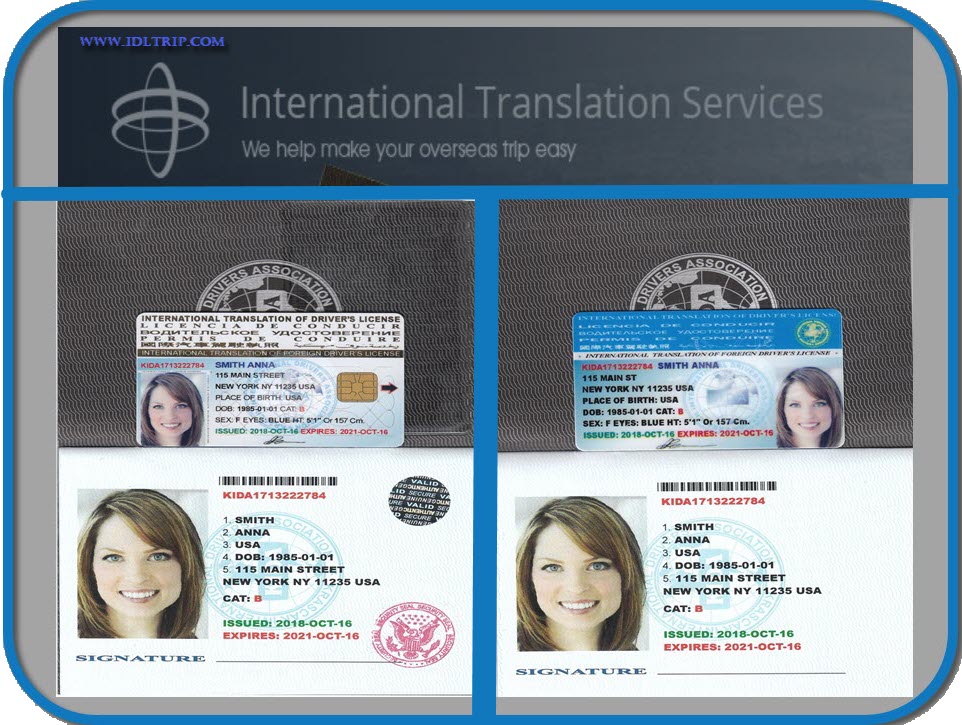
Q3: Can I get an international motorist's license online while being displaced? A3: Yes! Many nations use online services where you can look for a global driver's license even if you're presently displaced; simply check your local regulations!
Q4: What are some examples of mobile apps designed for IDP assistance? A4: Apps like "Refugee Pal" deal details on readily available services while "Catastrophe Emergency situation" supplies notifies during crises impacting your area!
Q5: How does blockchain ensure transparency in aid distribution? A5: Blockchain records deals securely so that every aid distribution is traceable; this lessens corruption threats guaranteeing resources reach those who need them!
Q6: Are there specific technologies being developed for usage in Spain regarding internal displacement? A6: Yes! Various regional NGOs are working together with tech business to develop applications focused on assisting internally displaced individuals particularly within click here Spain's special context.
In conclusion, using technology uses unprecedented opportunities when handling Internally Displaced Individuals efficiently-- it's not merely about responding quicker however tailoring solutions that appreciate human dignity while addressing complex logistical obstacles head-on!